





Sheffield Walk-in Centre Supporting More Inclusive Health Research
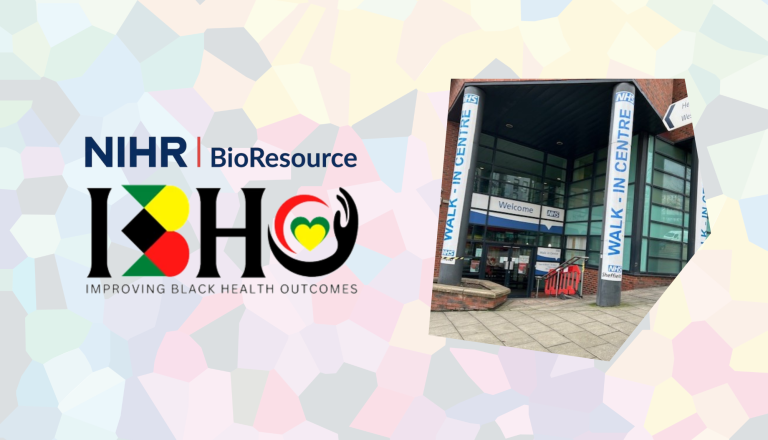
OneMedicare and Sheffield Walk-in Centre is proud to be supporting more inclusive health research by collaborating with the National Institute for Health and Care Research (NIHR) BioResource.
The centre is taking part in the NIHR BioResource’s Improving Black Health Outcomes (IBHO) programme, a national initiative focused on increasing representation of Black and Mixed Black heritage communities in health research.
These communities are currently under-represented in many national studies, despite being disproportionately affected by conditions such as sickle cell disease, diabetes and cardiovascular disease. Improving representation in research is essential to developing fairer diagnostics, more effective treatments and better long-term health outcomes.
Research in a Trusted Setting
Every Friday, NIHR BioResource Clinical Trials Assistants and a Research Nurse are now based at the Walk-in Centre, speaking with eligible patients about the opportunity to take part. Participation is entirely voluntary and does not affect the care people receive.
Recruiting within a familiar and trusted healthcare environment helps to raise awareness, build trust and make it easier for people to ask questions and consider getting involved.
Making It Simple to Take Part
People aged 16 and over from a Black or Black mixed heritage ethnic background can express interest either in person or by scanning a QR code available at the centre. Individuals can choose whether to provide a saliva or blood sample and complete a short health and lifestyle questionnaire.
As a thank you, participants receive a £15 voucher, and travel expenses outside of routine appointments can be reimbursed up to £22.50.
Making a Difference
Although still in its early stages, the collaboration has already seen 9 participants successfully recruited and growing interest from members of the local community.
Each person who takes part contributes to a more representative research dataset. This will help researchers better understand how certain conditions affect different communities and support the development of more equitable healthcare in the future.
This demonstrates how community-based healthcare services can work together, alongside research programmes, and help shape national research and improve health outcomes for everyone.